
Quick Summary: Respiratory infections are among the most common illnesses affecting children worldwide. From mild colds to more serious conditions like pneumonia and bronchiolitis, these infections place a significant burden on families and healthcare systems alike. In recent years, paediatricians have observed changing patterns in respiratory infections, with newer variants, shifting seasonal trends, and increased vulnerability in young children.
As we move into 2026, understanding why respiratory infections in children are rising, how symptoms are evolving, and what parents can do to protect their children has never been more important.
At BBR Super Speciality Hospital, pediatric specialists focus on early diagnosis, evidence-based treatment, and preventive care to ensure the best respiratory health outcomes for children.
Why Respiratory Infections Are Rising
Several interconnected factors are contributing to the increased incidence of respiratory infections in children.
Immature Immune Systems
Children, especially infants and toddlers, have developing immune systems that are still learning to recognise and fight infections. This makes them more susceptible to viruses and bacteria affecting the respiratory tract.
Post-Pandemic Exposure Shift
After periods of reduced exposure due to masking and social distancing, many children are now encountering common respiratory viruses later than usual. This delayed exposure has resulted in:
- More frequent infections
- Stronger symptom intensity
- Overlapping viral outbreaks
Increased School & Daycare Interaction
Crowded environments such as schools, daycare centres, and playgrounds allow respiratory pathogens to spread easily through:
- Coughing and sneezing
- Shared toys and surfaces
- Close physical contact
Environmental & Air Quality Factors
Air pollution, indoor allergens, and passive smoke exposure weaken respiratory defences and increase the risk of infections like bronchitis and pneumonia.
New Symptoms & Variants in 2026
Pediatric respiratory infections are no longer presenting in predictable ways. Doctors are observing new symptom combinations and viral behaviour patterns.
Changing Symptom Patterns
In 2026, children with respiratory infections may show:
- Persistent cough lasting longer than expected
- Rapid or laboured breathing
- Wheezing without a prior history of asthma
- High-grade or recurrent fever
- Poor feeding in infants
- Extreme fatigue or irritability
Some viral infections now mimic bacterial symptoms, making early evaluation crucial.
RSV & Viral Pneumonia Trends
Respiratory Syncytial Virus (RSV), traditionally seasonal, is now being seen year-round in some regions. RSV remains a leading cause of:
- Bronchiolitis in infants
- Hospital admissions in children under 2 years
Pediatric pneumonia patterns are also changing, with mixed viral-bacterial infections becoming more common.
New Variants & Co-Infections
Children are increasingly experiencing co-infections, where more than one virus or bacterium affects the respiratory tract simultaneously. This can lead to:
- Prolonged recovery
- Increased complications
- Higher need for hospitalisation
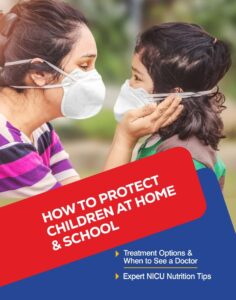
How to Protect Children at Home & School
Prevention remains the strongest defence against respiratory infections in children.
Strengthening Immunity
A child’s immune system can be supported through:
- Balanced nutrition rich in fruits, vegetables, and proteins
- Adequate sleep appropriate for age
- Regular physical activity
- Proper hydration
Vaccinations
Vaccines play a critical role in preventing severe respiratory illnesses such as:
- Influenza
- Pneumococcal pneumonia
- COVID-related respiratory complications
BBR Super Speciality Hospital strongly encourages timely immunisation as per pediatric guidelines.
Hygiene Practices
Simple daily habits make a significant difference:
- Frequent handwashing with soap
- Teaching children to cover coughs and sneezes
- Regular cleaning of toys and frequently touched surfaces
School & Daycare Safety
Parents should:
- Avoid sending sick children to school
- Ensure good classroom ventilation
- Encourage mask use during outbreaks when advised
Treatment Options & When to See a Doctor
Home Management for Mild Infections
Many respiratory infections are viral and can be managed at home with:
- Adequate rest
- Fluids
- Fever management under medical guidance
- Saline nasal drops or steam inhalation (age-appropriate)
Antibiotics are not required for viral infections unless a bacterial infection is confirmed.
Medical Treatment in Hospital
At BBR Super Speciality Hospital, treatment is tailored based on diagnosis and severity:
- Bronchodilators for wheezing
- Oxygen therapy for breathing difficulty
- IV fluids for dehydration
- Antibiotics only when bacterial infection is present
When to Seek Immediate Medical Care
Parents should consult a doctor if a child has:
- Difficulty breathing or rapid breathing
- Bluish lips or nails
- Persistent high fever
- Poor feeding or vomiting
- Extreme lethargy
- Chest retractions or wheezing
Early medical intervention can prevent complications.
Long-Term Impact on Child Health
While most children recover fully, repeated or severe respiratory infections may have long-term effects.
Impact on Lung Development
Frequent infections in early childhood can affect lung growth and increase the risk of:
- Recurrent wheezing
- Childhood asthma
- Reduced lung capacity later in life
Growth & Development Concerns
Chronic illness may temporarily affect:
- Appetite
- Weight gain
- Energy levels
With proper treatment and follow-up, these effects are usually reversible.
Importance of Follow-Up Care
Children hospitalized for pneumonia or severe RSV benefit from:
- Regular pediatric follow-ups
- Lung function monitoring when needed
- Preventive care planning
BBR Super Speciality Hospital emphasizes continuity of care to safeguard long-term respiratory health.
Frequently Asked Questions
1. What are the most common respiratory infections in children?
Common respiratory infections include the common cold, RSV, bronchitis, bronchiolitis, influenza, and pneumonia.
2. Why do children get respiratory infections more often than adults?
Children have developing immune systems and are frequently exposed to germs at schools and daycare centers, making them more vulnerable.
3. What are the warning signs of a serious respiratory infection?
Warning signs include fast or difficult breathing, bluish lips, high fever, chest retractions, persistent cough, and extreme tiredness.
4. Is pneumonia common in children in 2026?
Yes, child pneumonia remains a significant concern, with evolving viral and bacterial patterns requiring early diagnosis and treatment.
5. How can RSV be prevented?
RSV prevention includes good hygiene, avoiding close contact with sick individuals, breastfeeding in infants, and medical guidance for high-risk children.
6. Do all respiratory infections require antibiotics?
No. Most respiratory infections in children are viral. Antibiotics are only used when a bacterial infection is confirmed.
7. When should I take my child to the hospital?
Seek medical care if your child has breathing difficulty, persistent fever, poor feeding, dehydration, or symptoms that worsen rapidly.
8. Can repeated respiratory infections affect long-term health?
Yes, frequent or severe infections may impact lung development, increasing the risk of wheezing or asthma if not managed properly.
9. How does BBR Super Speciality Hospital manage pediatric respiratory infections?
BBR Super Speciality Hospital offers expert pediatric care with advanced diagnostics, evidence-based treatment, and personalised follow-up plans.
10. Can respiratory infections be prevented completely?
While not all infections can be prevented, vaccination, hygiene, proper nutrition, and early medical care significantly reduce risk and severity.
Conclusion
Respiratory infections in children are evolving, with new trends and challenges emerging in 2026. While these illnesses are common, they should never be underestimated. Early recognition, timely medical care, preventive strategies, and parental awareness play a vital role in protecting children’s respiratory health.
At BBR Super Speciality Hospital, pediatric experts are committed to providing comprehensive, child-centered care combining advanced diagnostics, compassionate treatment, and preventive guidance to help every child breathe easier and grow healthier.