
Quick Summary: Heart disease in young adults is rising due to lifestyle changes, stress, poor diet, lack of physical activity, smoking, and undiagnosed health conditions. In 2026, early screening, preventive cardiology, and lifestyle modifications can significantly reduce risk, as many early heart warning signs appear years before major cardiac events. Experts at BBR Super Speciality Hospital emphasize that timely diagnosis and preventive care play a crucial role in reducing early cardiac complications.
Changing Trends: Why Heart Disease Is Increasing in Young Adults
Heart disease was once considered a condition affecting older adults. However, recent healthcare data shows a steady increase in cardiac problems among individuals aged 20–40 years. Modern lifestyle patterns, sedentary work environments, and rising mental stress levels are major contributors.
Key Factors Driving Early Heart Disease
- Sedentary Lifestyle: Desk jobs, long screen time, and minimal physical activity weaken heart health.
- Unhealthy Diet Patterns: High intake of processed foods, sugary beverages, and trans fats increases cholesterol and blood pressure.
- Chronic Stress: Work pressure, sleep deprivation, and mental health issues raise cortisol levels, increasing cardiac strain.
- Smoking & Alcohol Consumption: These habits damage blood vessels and accelerate plaque buildup.
- Hidden Medical Conditions: Undiagnosed diabetes, hypertension, and obesity silently increase cardiac risk.
Cardiology specialists at BBR Super Speciality Hospital have observed a growing number of young patients presenting with early cardiac symptoms, highlighting the need for preventive heart care awareness.
According to global cardiac health observations, nearly 20–25% of heart attacks now occur in individuals below 40 years, emphasizing the urgency of early screening.
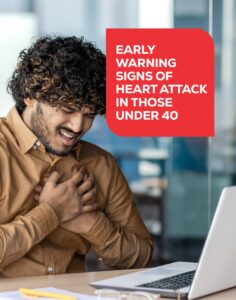
Early Warning Signs of Heart Attack in Those Under 40
Young adults often ignore early symptoms, assuming they are stress-related or temporary. Recognizing these warning signs can prevent life-threatening complications.
Common Symptoms:
- Persistent chest discomfort or tightness
- Shortness of breath during routine activities
- Unusual fatigue without physical exertion
- Pain radiating to the shoulders, neck, or jaw
- Sudden dizziness or fainting episodes
- Irregular heartbeat or palpitations
Often Ignored Warning Signs:
- Frequent acidity or indigestion-like discomfort
- Reduced exercise tolerance
- Excessive sweating without exertion
Healthcare experts recommend that individuals experiencing these symptoms should seek immediate medical evaluation at advanced cardiac centers such as BBR Super Speciality Hospital, where comprehensive heart screening facilities help detect early risk factors.
How Modern Lifestyles Affect Cardiac Health
Lifestyle choices significantly influence heart health. Many young adults unknowingly adopt habits that accelerate cardiovascular damage.
High-Risk Lifestyle Patterns
| Lifestyle Factor | Impact on Heart Health |
| Poor Sleep (Less than 6 hours) | Raises blood pressure and stress hormones |
| Excess Fast Food Consumption | Increases cholesterol and obesity risk |
| Lack of Exercise | Weakens the heart muscle and blood circulation |
| High Screen Time | Promotes inactivity and mental stress |
| Substance Abuse | Damages arteries and disrupts heart rhythm |
Modern healthcare studies show that young professionals working over 9 hours daily with low physical activity have significantly higher cardiovascular risk levels.
Prevention Tips for Young Adults
Preventive cardiology is now considered the most effective approach to controlling early heart disease. Simple lifestyle changes can reduce cardiac risk by up to 60%.
1. Follow a Heart-Friendly Diet
- Increase intake of fruits, vegetables, and whole grains
- Choose lean proteins such as fish and legumes
- Reduce processed foods and sugary snacks
- Limit salt and saturated fat consumption
2. Maintain Regular Physical Activity
- Aim for 150 minutes of moderate exercise weekly
- Include strength training for muscle and metabolic health
- Adopt active daily habits like walking or cycling
3. Manage Stress Effectively
- Practice meditation or yoga
- Maintain work-life balance
- Seek mental health support when needed
4. Avoid Smoking and Limit Alcohol
Even occasional smoking can increase arterial damage and heart attack risk in young individuals.
5. Schedule Regular Health Screenings
Early detection helps identify hidden cardiac risks such as:
- High blood pressure
- Elevated cholesterol levels
- Diabetes and insulin resistance
- Family history of heart disease
Preventive Heart Health packages offered by BBR Super Speciality Hospital help young adults assess their cardiac risk through advanced diagnostic screening and personalized treatment plans.
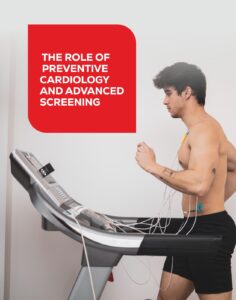
The Role of Preventive Cardiology and Advanced Screening
Modern cardiology focuses on early diagnosis using advanced technologies. Preventive screening helps identify risks before symptoms appear.
Recommended Cardiac Tests for Young Adults
- ECG (Electrocardiogram)
- Lipid Profile and Blood Sugar Testing
- Echocardiogram
- Treadmill Stress Test
- CT Coronary Calcium Scoring (For high-risk individuals)
Advanced cardiac diagnostic facilities at BBR Super Speciality Hospital enable early detection of heart disease and help doctors design customized prevention and treatment strategies.
Who Is at Higher Risk of Early Heart Disease?
Certain individuals require closer monitoring due to genetic and lifestyle factors.
High-Risk Categories
- Individuals with a family history of heart disease
- Young adults with obesity or diabetes
- Corporate professionals with sedentary lifestyles
- Athletes with unexplained chest pain or fatigue
- People experiencing chronic stress or sleep disorders
Understanding personal risk factors allows early intervention and better heart health management.
Real-Life Preventive Impact
Recent preventive cardiology programmes focusing on young adults have shown that structured lifestyle intervention reduced early cardiac symptoms by 35% within one year. Individuals who adopted regular exercise and dietary changes demonstrated improved cholesterol levels and reduced blood pressure significantly. Preventive heart care programmes conducted in multi-speciality cardiac centers have shown encouraging outcomes in early risk identification and management.
Frequently Asked Questions (FAQs)
1. Can young adults really get heart attacks?
Yes, heart attacks are increasingly reported in people below 40 due to lifestyle risks, genetic factors, and undiagnosed health conditions.
2. What is the biggest cause of heart disease in young adults?
Sedentary lifestyle combined with unhealthy diet, stress, smoking, and obesity are the leading causes.
3. How can I check if my heart is healthy?
Regular health checkups, including ECG, cholesterol testing, blood pressure monitoring, and stress tests help assess heart health.
4. Are heart problems in young adults reversible?
Many early-stage heart conditions can be controlled or reversed through lifestyle changes, medication, and preventive care.
5. How often should young adults undergo heart screening?
Individuals with no risk factors should undergo screening every 2–3 years, while high-risk individuals should consult doctors annually.
6. Does stress alone cause heart disease?
Chronic stress contributes to high blood pressure, hormonal imbalance, and unhealthy coping habits, increasing heart disease risk.
When Should You Consult a Cardiologist?
Immediate medical consultation is recommended if you experience persistent chest pain, shortness of breath, unexplained fatigue, or irregular heartbeat. Consulting experienced cardiologists at BBR Super Speciality Hospital ensures early diagnosis and access to advanced cardiac treatment options.
Conclusion:
Heart disease in young adults is no longer rare. Rising lifestyle risks, work stress, and poor health habits are driving early cardiac problems. The good news is that most risks are preventable through early screening, healthy lifestyle choices, and timely medical care. With advanced cardiac care services and preventive health programmes, BBR Super Speciality Hospital supports individuals in safeguarding their heart health and leading healthier lives.