

Quick Summary: Early cancer detection significantly improves treatment success, survival rates and quality of life. Advances in screening technology, precision oncology, and preventive healthcare have transformed cancer care, making early diagnosis the most powerful tool in fighting cancer. Experts at BBR Super Speciality Hospital emphasize that identifying cancer in its early stages can increase survival rates by up to 80–90% for several cancer types.
How Cancer Care Has Evolved Over the Years
Cancer treatment has progressed rapidly over the last decade. Earlier, cancer was often diagnosed in advanced stages due to a lack of awareness and limited screening facilities. Today, medical advancements allow doctors to detect cancer earlier and treat it more effectively.
Key Developments in Modern Cancer Care
- Advanced Diagnostic Imaging: High-resolution imaging technologies help detect tumors at earlier stages.
- Precision Oncology: Treatments are now customized based on genetic and molecular tumor profiling.
- Minimally Invasive Treatments: Robotic and laparoscopic procedures reduce recovery time and complications.
- Targeted Therapy and Immunotherapy: These therapies attack cancer cells without harming healthy tissues.
Oncology specialists at BBR Super Speciality Hospital use advanced diagnostic and treatment approaches to ensure accurate cancer detection and personalized treatment planning.
Why Early Cancer Detection Is Critical
Early detection plays a major role in improving treatment outcomes and reducing cancer-related mortality.
Benefits of Detecting Cancer Early
1. Higher Treatment Success Rate
Cancer diagnosed in early stages is easier to treat and often requires less aggressive therapy.
2. Improved Survival Rates
Early-stage cancers have significantly higher survival chances compared to advanced-stage cancers.
3. Reduced Treatment Costs
Early treatment usually involves fewer complex procedures and shorter hospital stays.
4. Better Quality of Life
Patients diagnosed early experience fewer treatment complications and faster recovery.
Medical experts at BBR Super Speciality Hospital highlight that regular cancer screening helps detect abnormal cell growth before symptoms appear.

Common Early Warning Signs of Cancer
Many cancers develop silently, showing minimal symptoms during early stages. Recognizing warning signs can help in timely diagnosis.
General Cancer Symptoms
- Unexplained weight loss
- Persistent fatigue or weakness
- Unusual lumps or swelling
- Changes in bowel or bladder habits
- Persistent cough or difficulty swallowing
- Skin changes or abnormal bleeding
If these symptoms persist for more than two weeks, consult oncology specialists at BBR Super Speciality Hospital for further evaluation.
Role of Cancer Screening in Early Diagnosis
Cancer screening tests help detect cancer or precancerous changes even before symptoms develop. Screening is especially important for individuals with family history or lifestyle-related risk factors.
Who Should Consider Cancer Screening?
- Individuals above 40 years of age
- People with family history of cancer
- Smokers or tobacco users
- Individuals exposed to environmental or occupational carcinogens
- Patients with chronic medical conditions
At BBR Super Speciality Hospital, preventive oncology programs provide comprehensive screening packages designed to identify cancer risk at early stages.
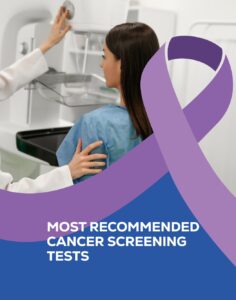
Most Recommended Cancer Screening Tests
1. Breast Cancer Screening
Mammography
- Detects breast cancer at early stages
- Recommended for women above 40 or those with high-risk factors
Clinical Breast Examination
Regular examination by trained specialists helps detect abnormal lumps.
2. Cervical Cancer Screening
Pap Smear Test
Detects precancerous cervical cell changes.
HPV Testing
Identifies infection linked to cervical cancer development.
3. Lung Cancer Screening
Low-Dose CT Scan
Recommended for long-term smokers and individuals exposed to pollution or hazardous chemicals.
4. Colorectal Cancer Screening
Colonoscopy
Helps detect polyps or early cancer in the colon and rectum.
5. Prostate Cancer Screening
PSA Blood Test
Helps identify prostate abnormalities in men above 50 or high-risk individuals.
Advanced screening facilities at BBR Super Speciality Hospital help in early detection, improving treatment outcomes and patient survival rates.
Lifestyle and Environmental Factors Increasing Cancer Risk
Cancer risk is influenced by multiple factors, including lifestyle habits and environmental exposure.
Major Risk Factors
- Tobacco and alcohol consumption
- Unhealthy diet and obesity
- Sedentary lifestyle
- Air pollution and occupational exposure
- Genetic predisposition
Doctors recommend adopting preventive lifestyle habits to reduce cancer risk and improve overall health.
How Preventive Oncology Is Transforming Cancer Care
Preventive oncology focuses on identifying risk factors and detecting cancer early through screening, awareness, and lifestyle modification.
Preventive Measures to Reduce Cancer Risk
- Maintain balanced diet rich in antioxidants
- Exercise regularly to maintain healthy weight
- Avoid smoking and limit alcohol consumption
- Protect skin from harmful UV exposure
- Undergo regular health checkups and cancer screening
Preventive healthcare programs support individuals in early risk identification and personalized cancer prevention strategies.
Importance of Multidisciplinary Cancer Care
Modern cancer treatment requires collaboration between multiple specialists to provide comprehensive care.
Multidisciplinary Oncology Approach Includes:
- Medical oncology
- Surgical oncology
- Radiation oncology
- Pathology and diagnostic imaging
- Rehabilitation and supportive care
At BBR Super Speciality Hospital, cancer treatment is managed through a multidisciplinary team approach, ensuring accurate diagnosis, personalized treatment and holistic patient care.
Impact of Early Cancer Screening
Recent oncology research shows that cancers detected through routine screening programs are often diagnosed at Stage 1 or Stage 2, where treatment success rates are significantly higher. Early breast and cervical cancer detection programs have demonstrated survival improvements of over 70% when diagnosed early.
BBR Super Speciality Hospital offers structured cancer screening programs that are playing a crucial role in improving early cancer detection rates and patient outcomes.
Frequently Asked Questions (FAQs)
1. Why is early cancer detection important?
Early detection allows timely treatment, improves survival rates and reduces treatment complications.
2. At what age should cancer screening begin?
Screening usually begins after 40 years but may start earlier for individuals with high-risk factors.
3. Can cancer be cured if detected early?
Many cancers are highly treatable and even curable if diagnosed in early stages.
4. How often should cancer screening be done?
Screening frequency depends on age, risk factors, and medical history. Annual screening is recommended for high-risk individuals.
5. Are cancer screening tests painful?
Most screening tests are minimally invasive and safe.
6. Who should undergo regular cancer screening?
Individuals with family history, tobacco use, environmental exposure, or lifestyle-related risk factors should undergo routine screening.
When Should You Consult an Oncologist?
You should consult a specialist if you experience persistent unexplained symptoms, abnormal lumps, unusual bleeding, or long-term fatigue. Early consultation at advanced oncology centers, ensures timely diagnosis and access to advanced cancer treatment options.
Conclusion:
Cancer care has evolved significantly, with early detection becoming the most effective strategy to improve survival and treatment success. With growing awareness, advanced screening technologies and preventive oncology, individuals can detect cancer early and receive timely treatment. Through comprehensive cancer screening programs, advanced diagnostics, and multidisciplinary oncology care, BBR Super Speciality Hospital is committed to improving cancer outcomes and supporting patients at every stage of their treatment journey.