
Quick Summary: Planning for a baby is an exciting journey, but for many couples, conception may take longer than expected. While pregnancy can happen naturally for many, several factors such as age, lifestyle, nutrition, stress, and underlying medical conditions can influence fertility.
The good news is that simple lifestyle changes and early medical guidance can significantly improve your chances of conceiving naturally. Understanding your body and preparing for pregnancy can make all the difference.
Why Is It Taking Longer to Get Pregnant?
It is completely normal for healthy couples to take several months to conceive. However, if you’ve been trying regularly without success, it may be time to evaluate certain factors that affect fertility.
Some common reasons include:
- Irregular ovulation
- Hormonal imbalance
- Polycystic Ovary Syndrome (PCOS)
- Thyroid disorders
- Endometriosis
- Low sperm count or quality
- Excessive stress
- Lifestyle habits such as smoking or alcohol consumption
Understanding the cause early helps improve the chances of successful treatment if needed.

Tips to Improve Your Chances of Getting Pregnant Naturally
1. Track Your Ovulation
Ovulation is the most fertile period of your menstrual cycle.
Most women ovulate about 12–16 days before their next period. Knowing your fertile window helps increase the chances of conception.
You can track ovulation using:
- Ovulation predictor kits
- Mobile fertility apps
- Basal body temperature monitoring
- Cervical mucus changes
2. Maintain a Healthy Weight
Being underweight or overweight can affect hormone levels and ovulation.
A healthy Body Mass Index (BMI) improves fertility in both women and men.
Healthy habits include:
- Regular exercise
- Balanced nutrition
- Adequate sleep
3. Eat a Fertility-Friendly Diet
Nutrition plays an important role in reproductive health.
Include foods such as:
- Fresh fruits and vegetables
- Whole grains
- Lean proteins
- Healthy fats
- Nuts and seeds
- Dairy products in moderation
Important nutrients include:
- Folic acid
- Iron
- Vitamin D
- Omega-3 fatty acids
- Zinc
Staying hydrated is equally important for overall reproductive health.
4. Reduce Stress
Long-term stress can interfere with hormone balance and ovulation.
Simple stress-management techniques include:
- Yoga
- Meditation
- Walking
- Deep breathing exercises
- Spending quality time with family
Mental well-being is an important part of fertility care.
5. Avoid Smoking and Alcohol
Smoking and excessive alcohol consumption can negatively affect:
- Egg quality
- Sperm quality
- Hormonal balance
- Implantation
Quitting these habits improves reproductive health and supports a healthy pregnancy.
6. Exercise in Moderation
Regular physical activity helps maintain a healthy weight and improves circulation.
Aim for:
- 30 minutes of moderate exercise
- Walking
- Swimming
- Cycling
- Yoga
Avoid excessive high-intensity workouts, which may affect ovulation in some women.
7. Get Enough Sleep
Poor sleep affects hormone production and overall health.
Adults should aim for 7–8 hours of quality sleep every night to support reproductive health.
When Should You Consult a Fertility Specialist?
While many couples conceive naturally within a year, medical advice should be considered if:
- You’re under 35 and have been trying for 12 months without success.
- You’re over 35 and have been trying for 6 months.
- You have irregular or absent periods.
- You have a history of miscarriage.
- You have PCOS or endometriosis.
- You have known fertility concerns.
- Your partner has a history of male infertility.
Early evaluation often leads to better outcomes and provides reassurance or timely treatment if needed.
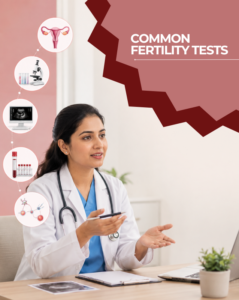
Common Fertility Tests
Your doctor may recommend:
For Women
- Hormone blood tests
- Ovulation assessment
- Ultrasound scan
- Fallopian tube evaluation
For Men
- Semen analysis
- Hormone evaluation
- Physical examination
These tests help identify any underlying issues and guide the most appropriate treatment plan.
Can Lifestyle Changes Really Improve Fertility?
Yes. Many couples improve their fertility naturally by making healthy lifestyle changes.
These include:
- Maintaining a healthy weight
- Eating nutritious foods
- Managing stress
- Exercising regularly
- Getting adequate sleep
- Avoiding smoking and alcohol
Even small changes can have a positive impact on reproductive health.
Frequently Asked Questions
How often should couples try to conceive?
Having intercourse every 2–3 days throughout the menstrual cycle or during the fertile window generally provides the best chance of pregnancy.
Does age affect fertility?
Yes. Female fertility gradually declines after the age of 30 and more rapidly after 35. Male fertility may also decrease with age, though usually at a slower rate.
Can stress alone prevent pregnancy?
Stress may not directly cause infertility, but chronic stress can affect hormone balance and ovulation, making conception more difficult.
Is it normal not to get pregnant immediately?
Yes. Even healthy couples may take several months to conceive naturally.
Conclusion
Improving your chances of getting pregnant naturally begins with understanding your body, adopting healthy lifestyle habits, and seeking timely medical advice when needed. Tracking ovulation, eating a balanced diet, staying active, managing stress, and maintaining overall health can all support fertility.
If you’ve been trying to conceive without success, don’t lose hope. Early consultation with a fertility specialist can help identify potential challenges and guide you toward the most suitable path to parenthood. With the right support and personalized care, many couples successfully achieve their dream of starting a family.